House in Izutaga
Junzō Yoshimura
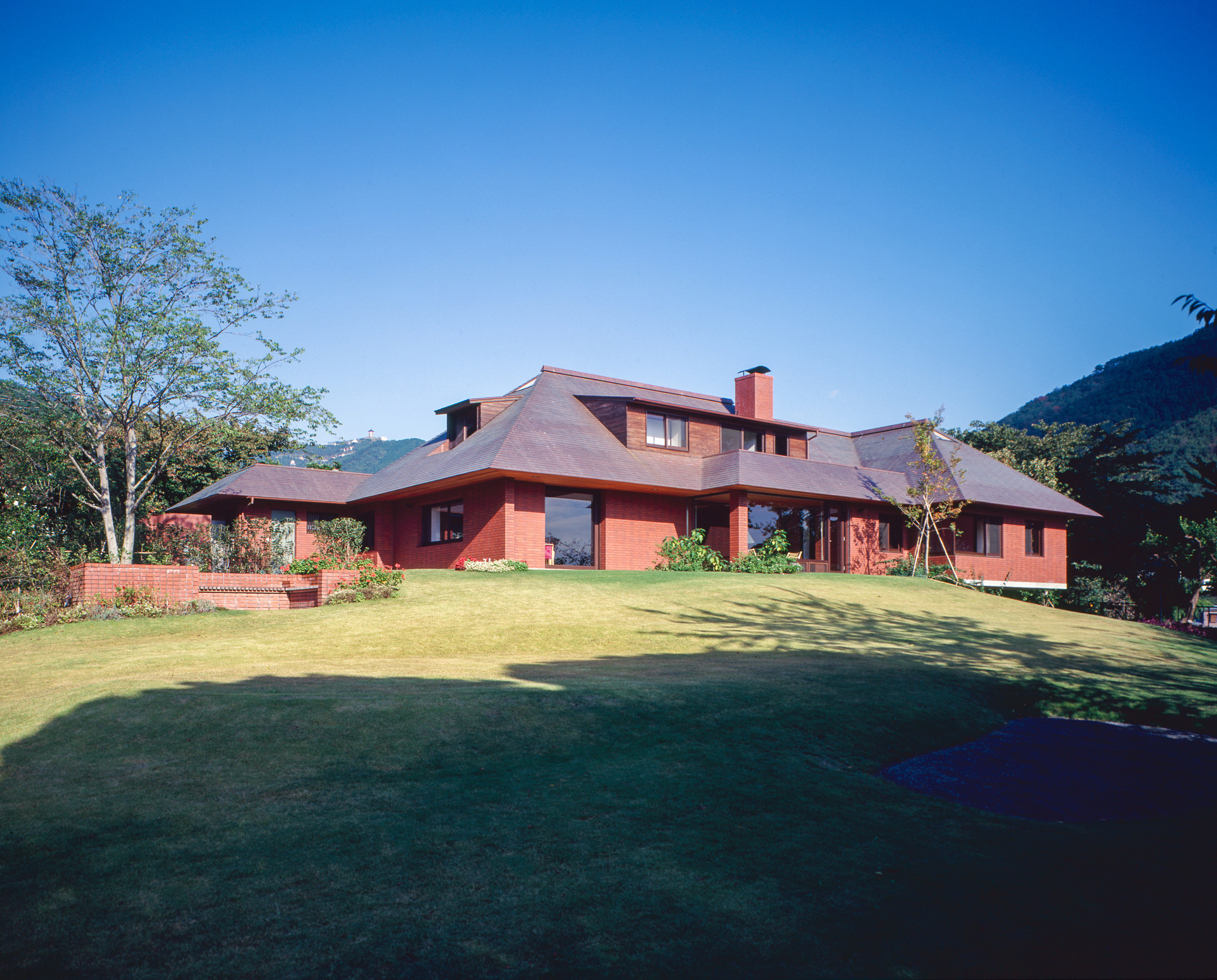
The weekend house was originally commissioned by a prominent female entrepreneur for her family’s holiday getaway and located in Atami, a seaside resort town popularized in 1980s in the southwest of Tokyo. The house was built on former orange groves, halfway up the mountainside overlooking Sagami Bay.
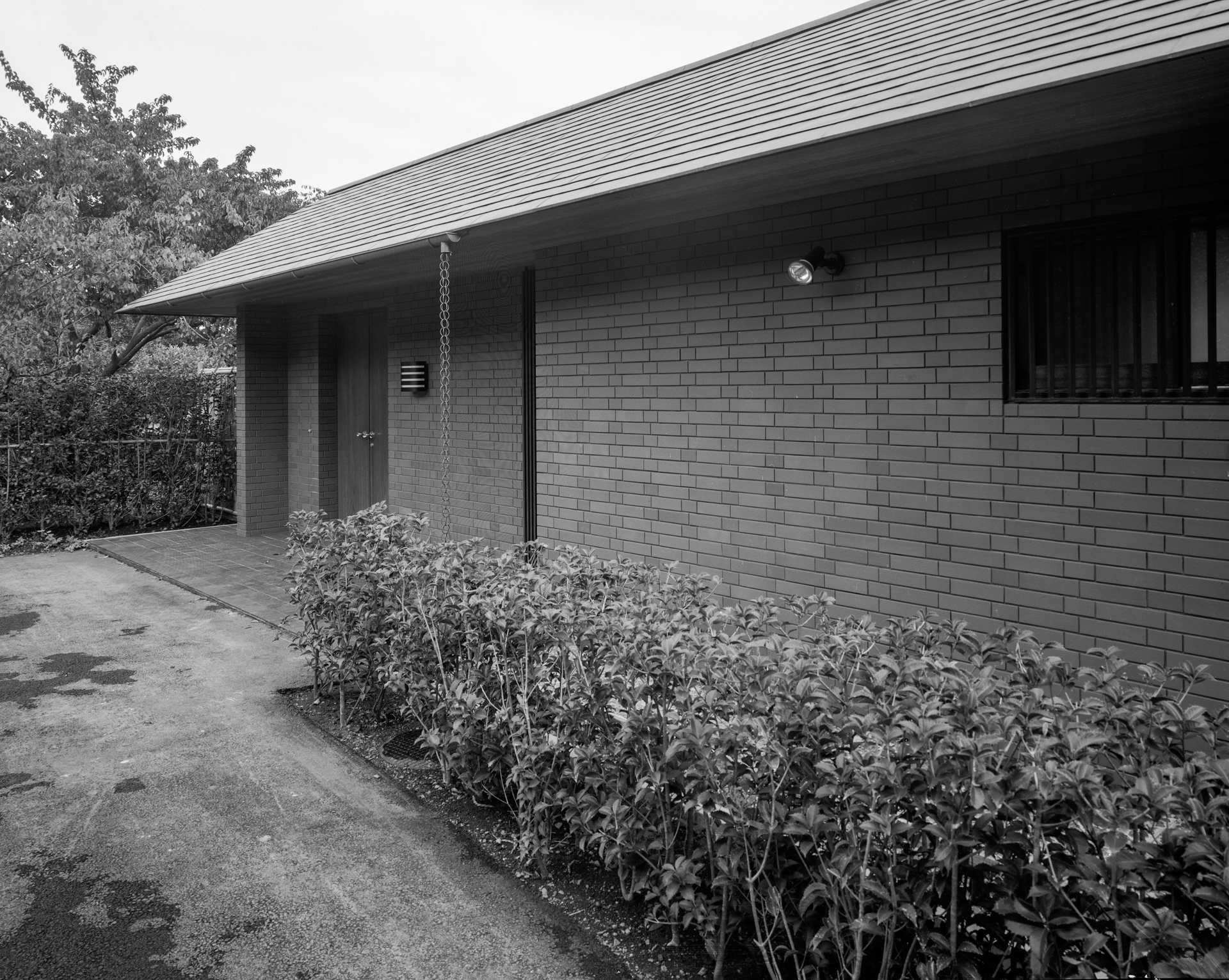
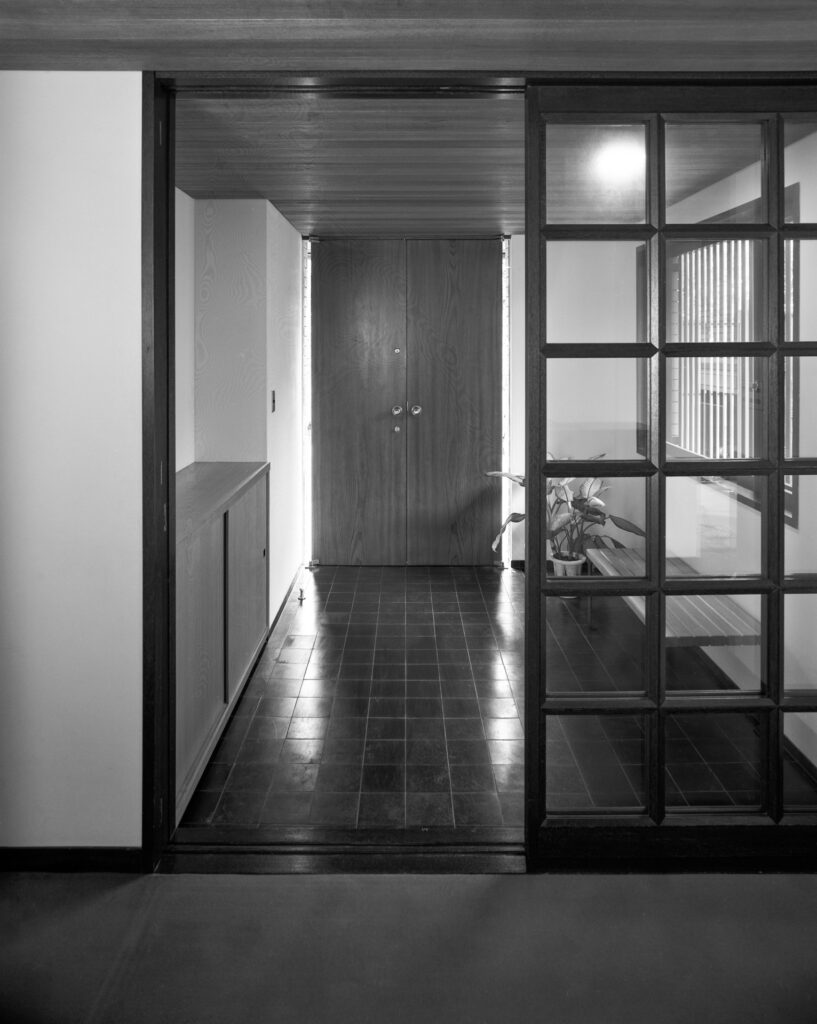
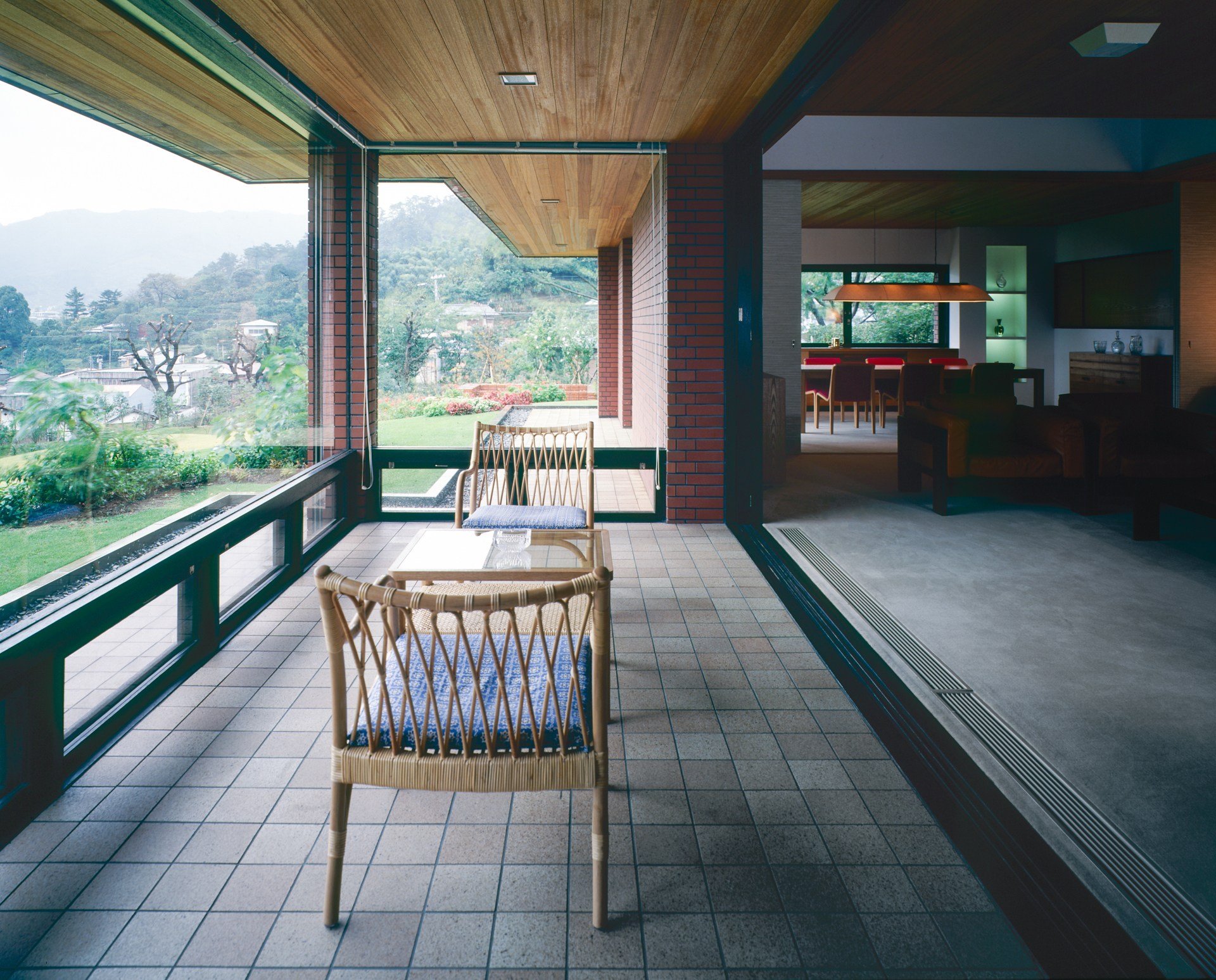
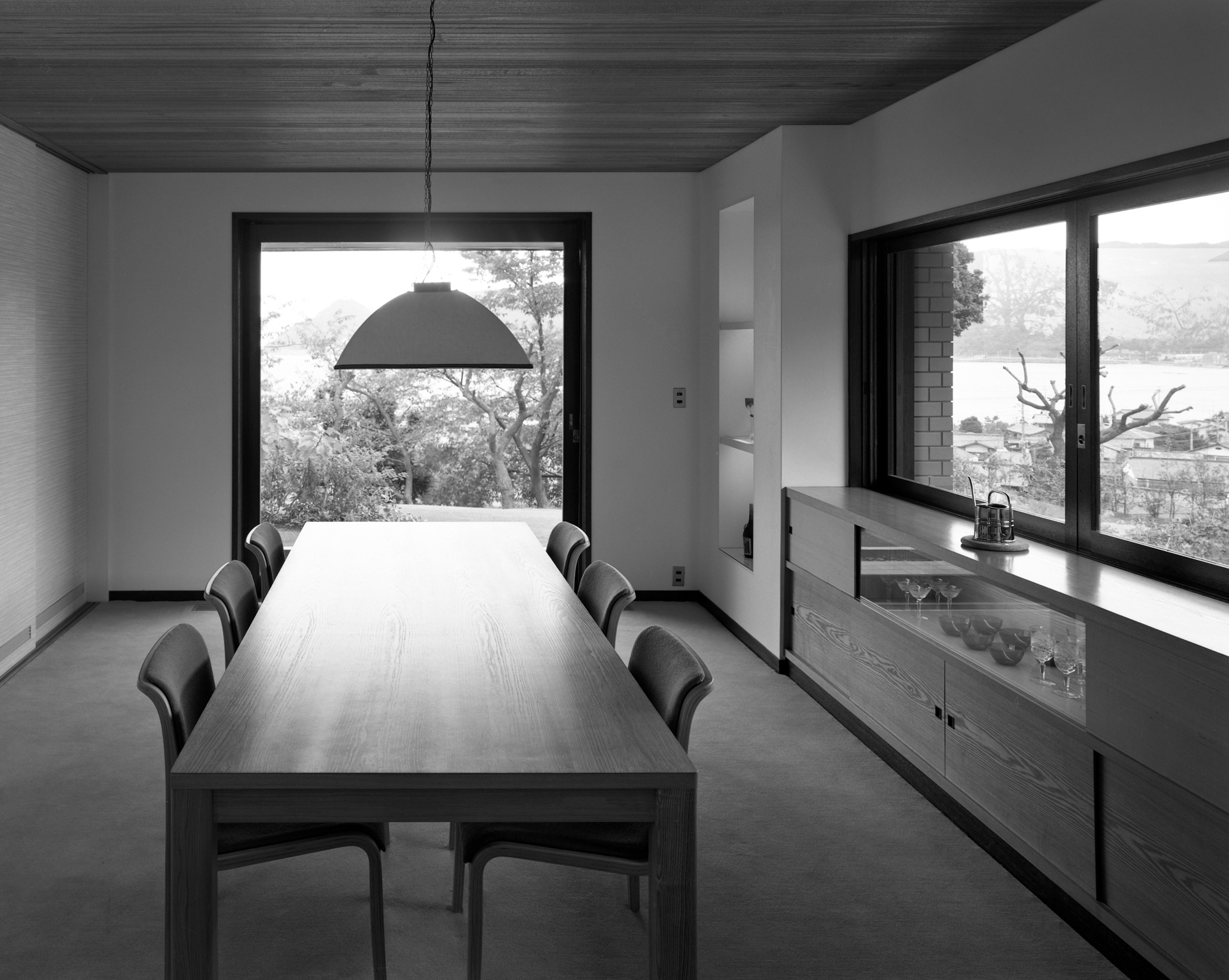
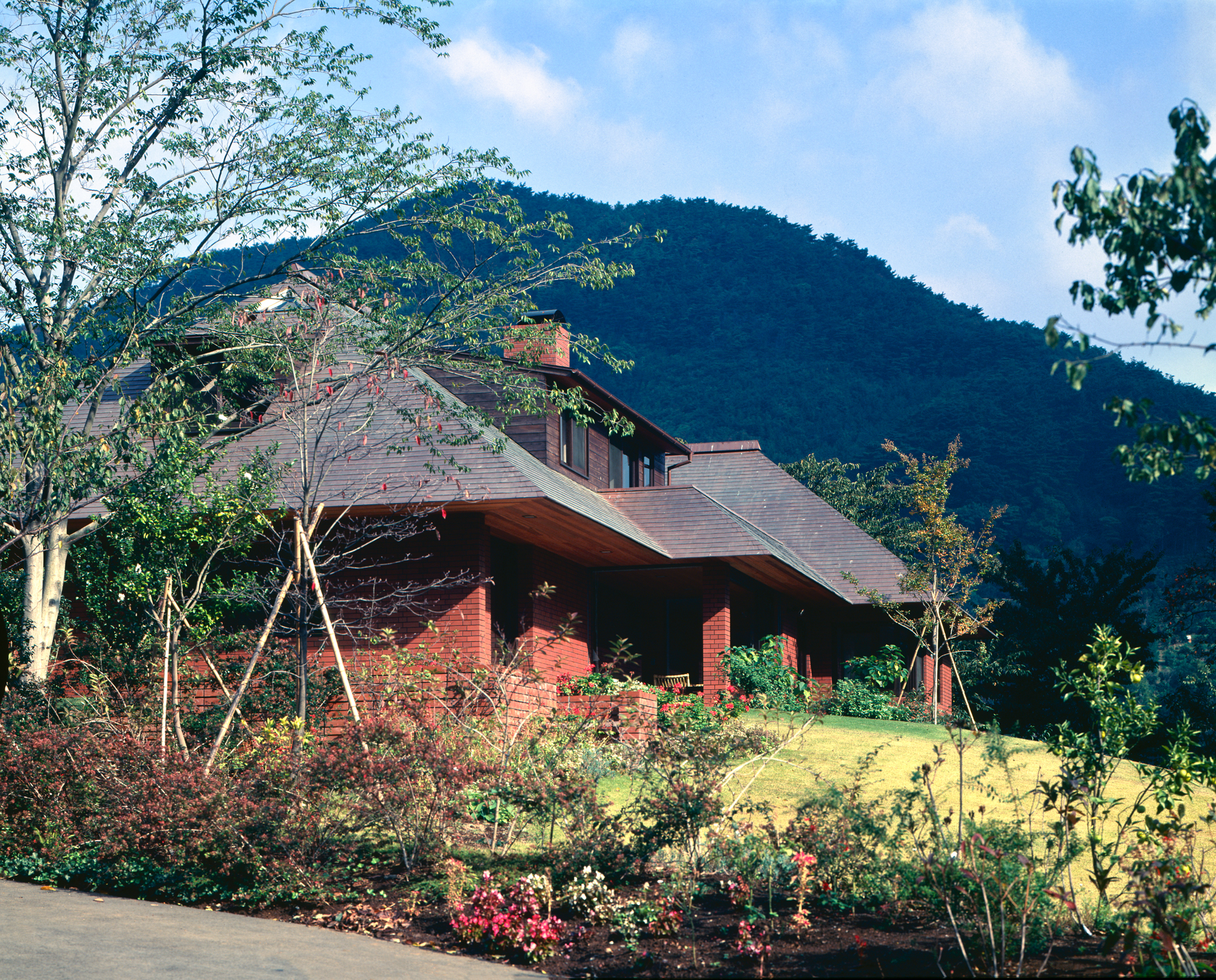
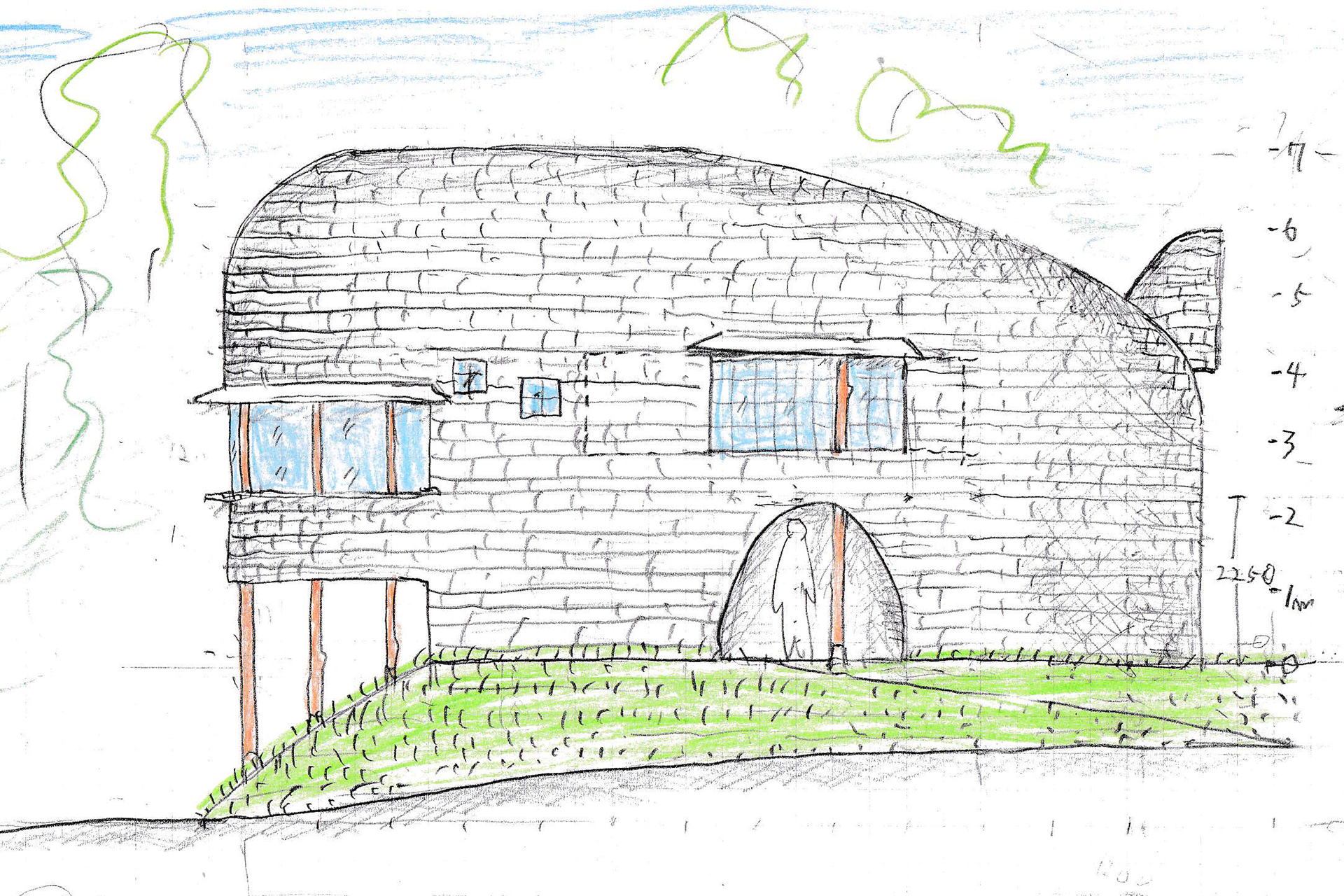
Upon entering extensive 3,300 sqm site, the house with steep sloping roof and brick tile facade appears, characteristics unlike Yoshimura’s earlier works. From the gate, the driveway runs from south to north and arrives at the entrance in the mountain side, almost creating impression of entering the house from the rear. The entrance hall has an intimate scale and leads to the subsequent corridor, dramatically opening up to the spacious living room with a panoramic view to the sea. Most rooms are orientated towards southeast for the sea view, capturing Hatsushima island in the distant view and Ajiro’s coastal cliff in the near view. The house has a grand scale, with rooms spreading in a east-west direction yet considered scale and placement of individual rooms preserve sense of intimacy.
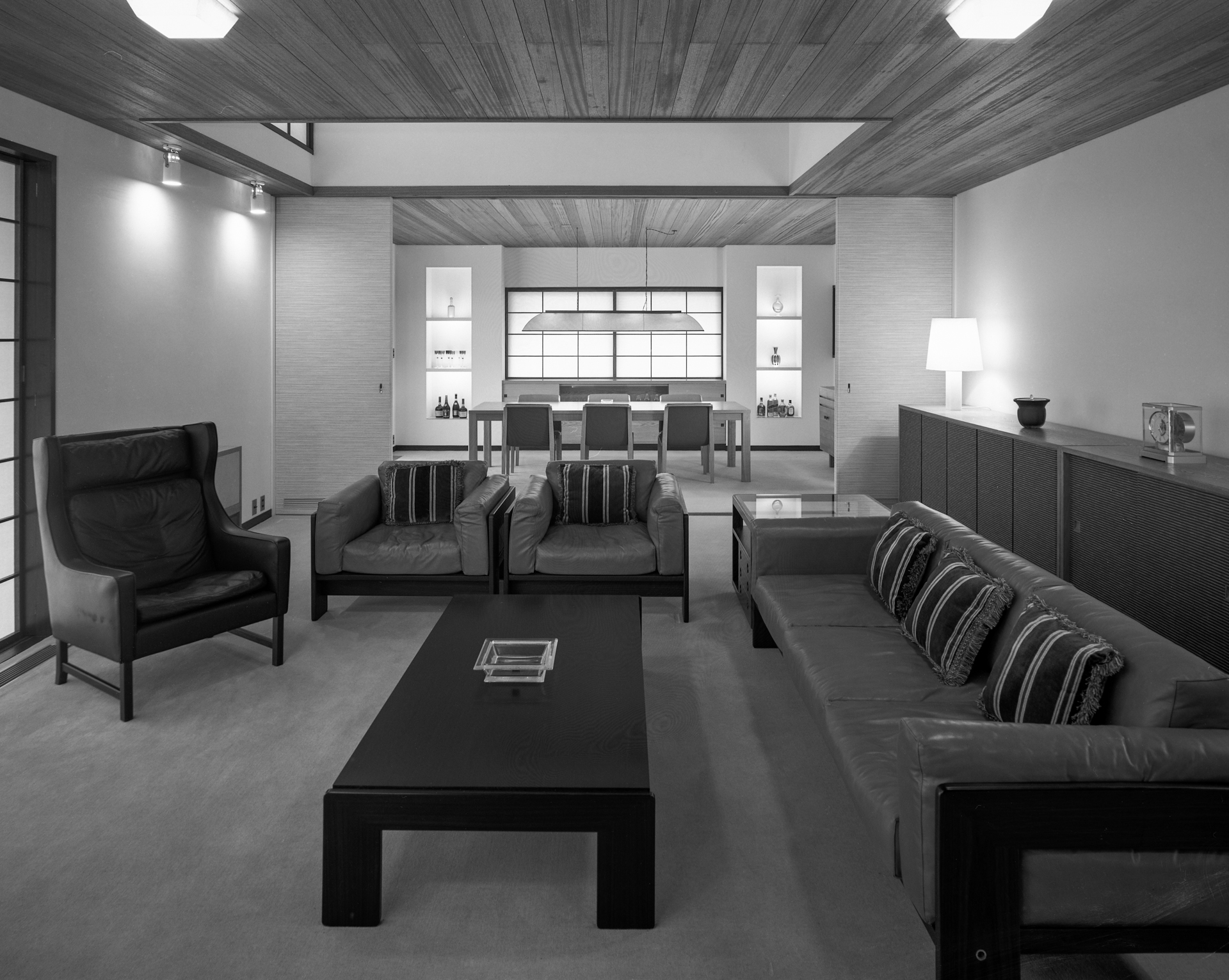
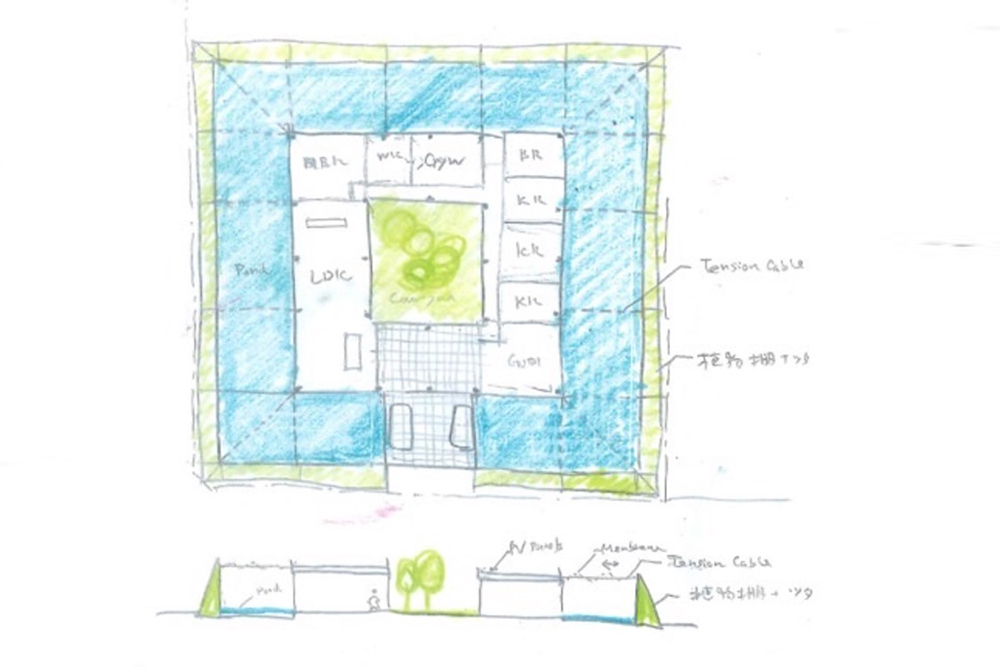
On the first floor, the living room is located in the center of the house, adjoined by the smaller dining room in the west, creating a large connecting space, yet separable as individual rooms when Fusuma sliding doors are closed.
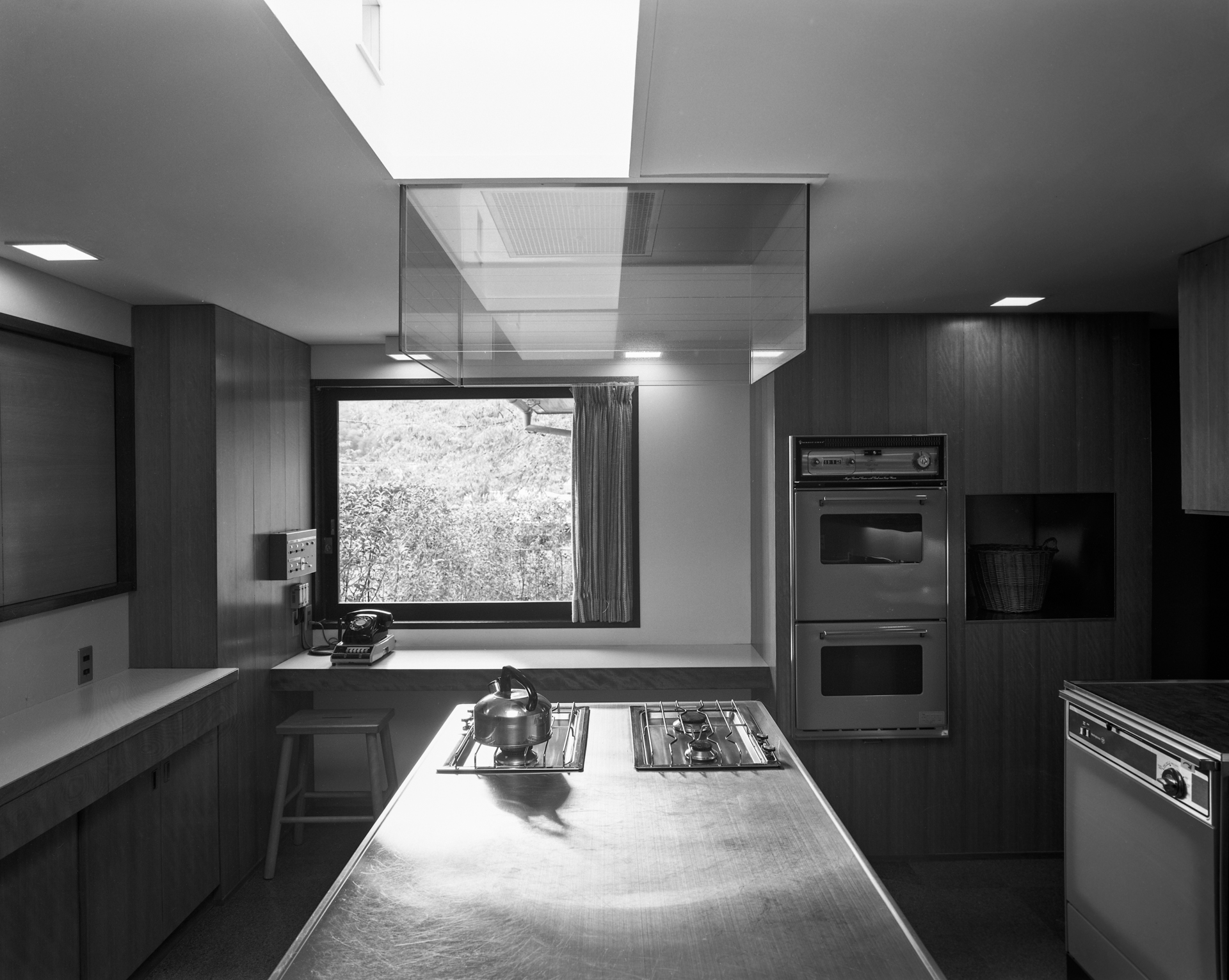
The kitchen has a single-swing door and a pass through window opening up to the dining room with the island table in the center and the skylight above. In the back, there are the pantry and the laundry room, each connecting to basement and service entrance respectively.
In the east of the living room, the study is located next to the sun room leading to the master bedroom through the second door and the corridor.
On the second floor, there is the small guest bathroom on the landing, then a corridor leading to the guest bedroom on the left and the children’s room at the end. Top floor and bottom floor are connected through double-height atriums located in the living room and around the staircase, creating vertically expansive space.
Various forms of sliding doors, such as Fusuma and Shoji are installed throughout the house, maintaining individual character and function of each room while creating more open and fluid spatial condition.
In addition to views to the sea, Yoshimura uses color to further enhance the house’s connection to the surrounding nature. As if the nature has prevailed, each room is applied with resonating color: the living room in pale green, the entrance and the corridor in red, the study in blue, the bedroom in sand.
Although brick tiles of exterior facade and a wall in the living room are the result of the client’s aspiration for the Western way of life, Yoshimura’s mediated design fluently introduces foreign materials into locality of Atami. In the garden, the brick-built outdoor kitchen is half-sunken into the ground and literally merging with the landscape. Roofscape as if drawn from mountains behind foresees large steep sloping roofs presented in Yoshimura’s later works.
Nearly half a century since the house’s completion, the surrounding has largely changed yet Yoshimura’s harmonizing vision with nature persistently lives on.